
Guides · Sun, Nov 22, 2026
River Road: the plantation houses and how to visit them
West of New Orleans the Mississippi bends past the densest run of plantation houses in America, and they do not all tell the same story. Whitney tells it from the quarters, as the only plantation museum in Louisiana devoted to slavery. Oak Alley tells it under the famous oaks, slavery exhibit included. Laura tells it as a Creole family saga. How to choose, how to pair them, what the honest visit asks of you, and the one combined tour the site can actually book you on.
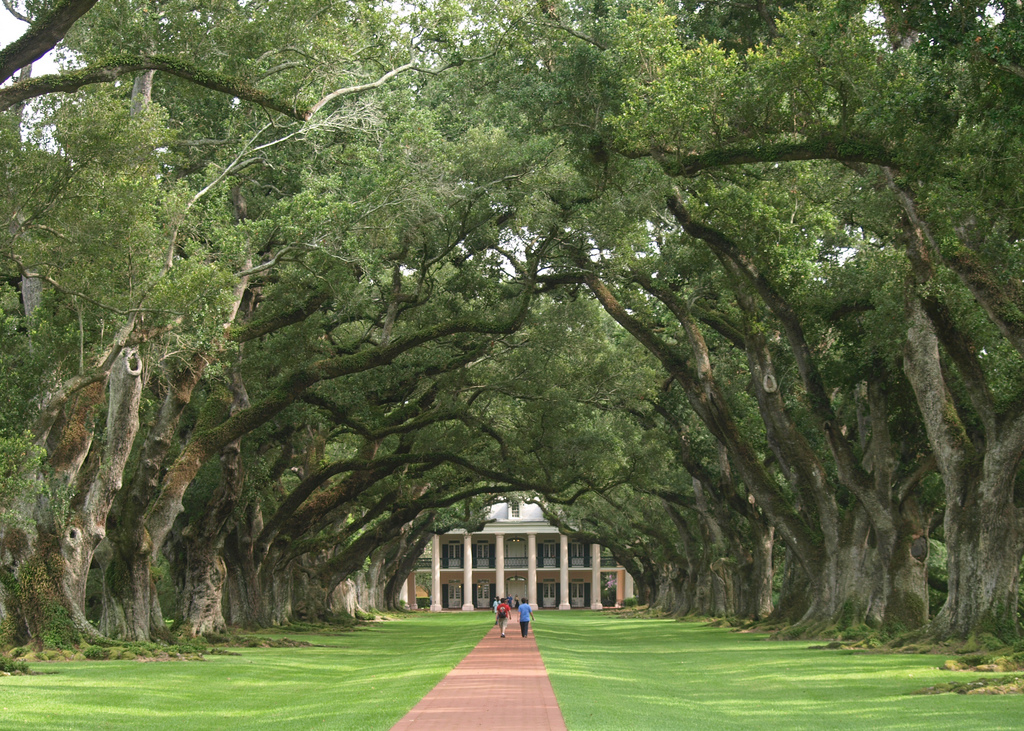
The houses begin about forty minutes west of the French Quarter, where Highway 18, the Great River Road, starts following the Mississippi through cane country. For the next stretch of river the plantation houses come one after another, Greek Revival, Creole, raised, columned, each with its own version of the past to sell you. That is the problem this guide exists to solve. A plantation was not a mansion with a garden. It was a forced labor camp with a beautiful house at its center, and the houses on River Road differ, sharply and honestly, in how much of that sentence they say out loud. Choose by the story you want told, not by the photograph. Our earlier guide compared the swamp boats and Oak Alley as the two classic day trips; this piece stays on River Road itself, house by house, and treats Oak Alley as one stop among several rather than the whole trip.
Whitney Plantation: start here
If you visit one house, make it this one, and visit it first. Whitney Plantation, at Wallace on the west bank, about an hour from New Orleans, is the only plantation museum in Louisiana devoted to telling the history of slavery, in its own words, and it keeps that promise structurally: the focus is not the architecture or the owners but the enslaved people who lived and labored on this land from 1752 onward. The visit runs through memorials, restored buildings and exhibits built on first-person slave narratives collected by the Federal Writers' Project, including the Wall of Honor and the memorial to the more than 107,000 enslaved people who lived and labored in Louisiana. The self-guided audio tour covers fourteen stops and takes about one hundred and fifteen minutes; most guests spend two to three hours. Whitney is a nonprofit museum, open from 9:30am to 4:30pm with last entry at 3pm, closed on Tuesdays, and it has no restaurant, so eat before or after. There is no affiliate ticket for Whitney in this guide, deliberately: it books direct on its own site, and that is where its money should go. Go in the morning, take the whole tour at walking pace, and let it set the terms for everything else you see on the river that day.
Oak Alley: the famous view, read properly
Oak Alley, at 3645 Highway 18 in Vacherie, is the photograph: twenty-eight live oaks in a double row over a quarter-mile approach to a columned house built in the late 1830s for Jacques Telesphore Roman, now a National Historic Landmark run by the nonprofit Oak Alley Foundation and open to the public since 1976. The honest visit here is a matter of order. The Foundation's own visitor pages are blunt that the sugar plantation was built by and relied on enslaved men, women and children, and its Slavery at Oak Alley exhibit, housed in reconstructed quarters, focuses on the individuals who were owned and kept here, their lives and living conditions, and on life after emancipation in housing that stayed poor into the twentieth century. The Foundation suggests allowing at least an hour for that exhibit alone and a minimum of two hours for the grounds and exhibits overall. So do the quarters first, while your attention is fresh, then the Sugarcane Theatre, then the guided Big House tour with the names from the exhibit still in your head. The oaks will still be there at the end, and they will look different: beautiful, and planted in a landscape other people's forced labor made. The combined tour below is the site's booked route to Oak Alley, paired with a swamp boat and a second house, and the comparison in our earlier day trips guide covers how that day runs.
Book the Oak Alley Plantation and swamp boat day tourvia Klook · affiliate link
Laura, Destrehan and the rest of the road
A few minutes from Oak Alley, Laura Plantation tells the Creole version: a raised Creole house of 1804 and 1805, a family saga told in French and English, and a permanent exhibit on slavery at Laura in a restored overseer's cottage that draws on the lives of the West African enslaved people who worked this sugar plantation. Pairing Laura with Oak Alley is the classic River Road day, and it works because the two houses argue with each other productively: Anglo Greek Revival against French Creole, one family's display against another's memory. Closer to the city, Destrehan, established in 1787 and described as the oldest documented plantation house in the lower Mississippi Valley, makes the gentler half day. Further upriver, Houmas House sells the full estate fantasy, gardens, restaurant and all, and St. Joseph and Evergreen carry some of the most complete surviving quarters rows on the river; check each one's current tour pattern before you drive, because opening arrangements on River Road change with seasons and restoration. What not to do is stack four houses in a day. Each honest visit takes two hours and a piece of you. Two houses, well chosen, is a day. Three is an endurance test that flattens all of them.
The levee, the cane and the Christmas fires
Leave time in the day for the landscape itself, because the houses make no sense without it. The levee that runs the length of River Road is the working wall between the river and everything else, and from its top you read the plantation geography at a glance: house near the river, quarters and works behind, cane fields to the horizon, the whole enterprise arranged for the crop. The cane is still there, and in grinding season the air over the parishes carries the sweet, burnt smell of the harvest the houses were built to serve. And if your River Road day falls in December, the road has a second life after dark: in St. James Parish, around Lutcher and Gramercy, families and crews build towering wooden bonfire structures on the levee through the month and light them on Christmas Eve to guide Papa Noël down the river, a tradition the parishes have kept for generations. It is the one night of the year when River Road belongs entirely to the people who live on it, and a visitor who drives out for it should expect crowds, park where directed, and take the spectacle as the gift it is.
How to visit: five working rules
First, start with slavery, not with architecture: whichever house you choose, take its slavery exhibit or quarters first, before the Big House tour sets the owners' frame. Second, listen for names. The good interpretation on this river names enslaved individuals, their work, their families and their skills, the gardener at Oak Alley who grafted the papershell pecan among them; interpretation that stays at furniture and weddings is telling you something by omission. Third, skip the romance products: hoop skirt photo opportunities and plantation wedding marketing sit on ground where people were bought and sold, and your money is a vote. Fourth, pay the museums that do the work. Whitney's nonprofit model and the Oak Alley Foundation's research into its enslaved community exist because visitors fund them. Fifth, leave time to be quiet. These are sites of memory as much as museums, and the drive back along the levee, past the cane fields the houses were built to profit from, is part of the visit.
River Road is a driving day or a booked tour day; there is no useful public transport along the houses. Drivers should base in New Orleans and go early, against the tour bus rhythm. The stay route below is the French Quarter search, the standard base for a River Road day.
Book a place to stayvia Booking.com · affiliate link
Set a New Orleans What's On alert and we will email you when River Road houses announce special tours, restoration reopenings and seasonal programs. The houses will keep their beauty either way. Visiting honestly is how you earn it.
More reading on the articles page, or go straight to the events calendar.