
Day trips guide · Thu 12 Nov 2026
Swamp boats and Oak Alley: the two classic day trips compared
Almost every New Orleans trip ends up choosing between the same two days out: a boat through the cypress swamp, or the oak lined drive and Big House at Oak Alley Plantation up the Great River Road. What each trip actually involves, airboat against covered boat, the plantation visit done honestly, drive times, half day against full day, and who should pick which, including the combined tour that does both and what it asks of you.
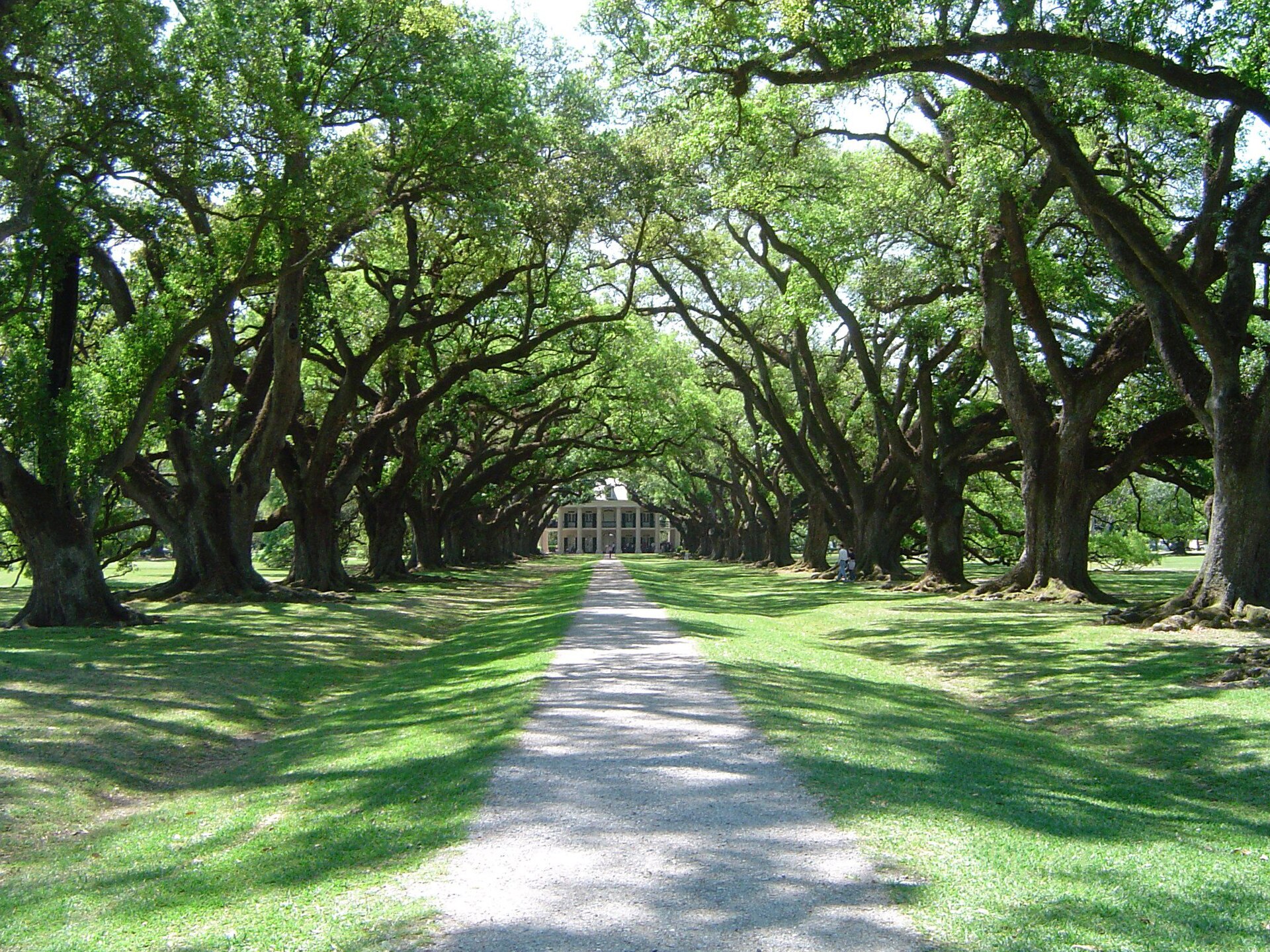
New Orleans keeps its two most popular day trips in opposite directions, in every sense. One goes out into the wetlands south and west of the city, where the land dissolves into cypress swamp and bayou and the wildlife runs the schedule. The other goes up the Great River Road to a plantation house framed by the most famous row of oak trees in America, where the schedule is set by tour times and the subject is history, including the hardest history in the state. Most visitors with three or four days in the city do one of them. Some do both. Almost everyone asks the same question first: which one, and what is it actually like? This is the comparison, trip by trip, without the brochure gloss.
Trip one: the swamp, by boat
A swamp tour is a boat ride through the flooded forest and slow water that surrounds the city, and the first choice inside it is the boat itself, because the two kinds give you different swamps.
The covered sightseeing boat, a flat pontoon style vessel with a roof, rows of seats and a captain who narrates, is the classic version and the one this site wires. It moves slowly enough to watch: alligators sliding off banks, egrets and herons working the shallows, raccoons and nutria in the cypress knees, turtles on every log. The narration is the point as much as the wildlife, covering the Cajun fishing villages, the trapping and fishing life, and the coastal erosion that is eating the wetlands the boat is floating through. It is shaded, seated, suitable for almost every age and mobility level, and it runs in light rain. Allow about half a day door to door: the swamps used for tours sit roughly thirty to forty five minutes from the French Quarter, and the boat time itself is around two hours.
The airboat is the other Louisiana icon: a flat bottomed boat pushed by an enormous caged fan, skimming fast across water too shallow for a propeller, loud enough that operators hand out ear protection. It is thrilling, wetter, windier and more exposed, with no roof and no shade, and operators commonly set minimum ages or heights for small children. It gets into narrower channels and feels like a ride as well as a tour. Choose it for the sensation and the photography of speed; choose the covered boat for wildlife watching, for younger children, for grandparents, and for anyone who wants to hear the guide without shouting.
The tour this site wires is the covered boat version, out through the bayou and cypress swamp south of the city.
Book the Swamp and Bayou boat tourvia Klook · affiliate link
Trip two: Oak Alley, up the River Road
Oak Alley Plantation sits in Vacherie, on the west bank of the Mississippi up Highway 18, the Great River Road, roughly an hour and a quarter's drive from the city. What you are going for is visible from the road: a double row of twenty eight giant live oaks, planted in the early 1700s by most accounts and older than the house they frame, forming a canopy over the quarter mile approach to the Big House, a Greek Revival mansion built in the late 1830s for the Roman family, sugar planters whose wealth the house was built to display.
The visit itself is in parts, and the parts matter. The Big House is seen on a guided tour, offered through the day, covering the family's rooms and the architecture. The grounds are self guided and hold the exhibits that carry the site's real weight: the Sugarcane Theatre, which explains how sugar was grown and processed here, and the Slavery at Oak Alley exhibit, a row of reconstructed cabins that focuses on named individuals who were enslaved on this plantation, their work, their living conditions, and the lives of the labourers who stayed on in poor housing long after emancipation. The Oak Alley Foundation, the non profit that runs the site, states the foundation of the place plainly: this sugar plantation was built by and relied on enslaved men, women and children, more than a hundred of them at any time. The honest way to visit is to give the slavery exhibit at least as long as the house, and the Foundation itself suggests allowing a minimum of two hours for the grounds and exhibits before the drive back is counted. Go in with that framing and Oak Alley is one of the most worthwhile days out in Louisiana. Go in expecting only a pretty house and a photo under the oaks, and you will have driven two and a half hours to miss the point of the place.
A day trip tour folds the driving, the house tour timing and the grounds into one booking, and the version this site wires pairs Oak Alley with a swamp boat ride on the Manchac Swamp and a stop at Destrehan, the oldest documented plantation house in the lower Mississippi Valley, on the same run west.
Book the Oak Alley and swamp boat day tripvia Klook · affiliate link
The comparison, plainly
Time. The swamp alone is a half day, back in the city by lunch or by dinner depending on the sailing. Oak Alley is a full day however you cut it: an hour and a quarter each way, two hours minimum on site, and a meal somewhere in the maths. The combined tour is the longest day of the three, out early and back by evening, and it earns that length by doing the River Road once.
Effort and comfort. The covered swamp boat is the easiest outing in this guide: sit down, be driven, be boated, be driven back. The airboat asks more of your ears, your hair and your tolerance for sun. Oak Alley asks for walking, on gravel paths and lawns, stairs inside the house (an iPad version of the upper floor is offered for visitors who cannot climb), and the emotional effort of the slavery exhibit, which should not be rushed or skipped.
Who suits which. Wildlife people, photographers and families with young children belong on the swamp boat, in that order of certainty. History people, and anyone who wants to understand what built the wealth they have been admiring in the French Quarter, belong at Oak Alley, and older children and teenagers generally get more from it than they expect, precisely because the interpretation does not talk down to them. First time visitors with one free day and a love of scenery split down the middle, which is what the combined tour exists for.
Combining them. The combined Oak Alley and swamp day is a genuinely good product rather than a compromise, because both trips run west out of the city and the swamp stop breaks the River Road drive. What it is not is leisurely: neither stop gets the unhurried version. If you have two free days, do the trips separately and properly. If you have one, combine them and accept the pace.
The season notes nobody puts in the brochure
These trips run all year, but the swamp keeps a calendar of its own. In the cooler months, which in New Orleans means roughly December to February, alligators are far less active and less visible, spending much of the cold in a dormant state in their dens and burrows. A winter swamp tour trades gator sightings for birdlife, bare cypress and mist on the water, which many visitors quietly prefer, but nobody should book a January boat expecting the summer's gator show. Mosquitoes follow the opposite pattern: a real presence in the warm months and at dawn and dusk, much reduced in winter, though a warm spell can wake them in any month, so repellent belongs in the bag year round. Dress for the boat, not the street: wind on the water makes the swamp feel ten degrees cooler than the French Quarter, and a layer you do not need is a better problem than the reverse. Oak Alley is the steadier winter trip, since the house and exhibits do not depend on the weather, though the oaks are at their greenest in the warmer half of the year and the grounds after rain are a mud consideration for footwear.
The verdict
Do the swamp if your trip needs air, water and animals. Do Oak Alley if it needs context, and do it properly, exhibits first class. Do the combined day if you have exactly one day and refuse to choose. Then come back to the city for dinner, because both trips return you to the same truth every New Orleans day trip teaches: the city makes more sense once you have seen the land and the river system it was built inside.
Book a place to stayvia Trip.com · affiliate link
Set a New Orleans What's On alert and we will email you when seasonal tours, plantation events and festival dates land on the calendar. The day trips are the city's second act. Pick the one your trip is missing.
More reading on the articles page, or go straight to the events calendar.